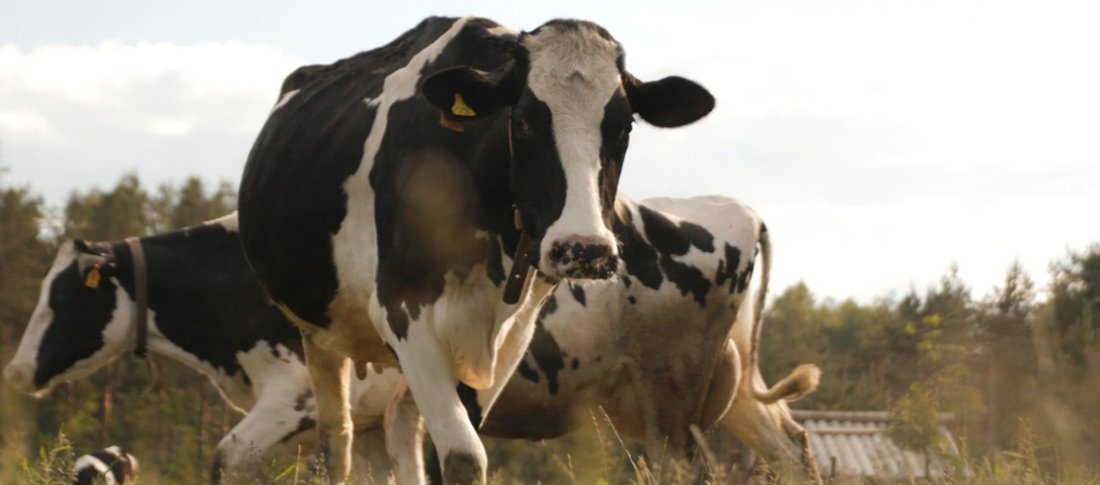
Sustainability: The Gap Between Policy and Practice
Position VWFI as a systems-thinking, evidence-led voice by arguing that sustainability frameworks only succeed when they align with practical, farm-level realities, balancing environmental responsibility, productivity and economic resilience.
Avoid product promotion. Avoid ingredient-specific focus. Focus on practicality, efficiency and systems alignment.
The gap between policy and practice
Sustainability conversations often happen at policy or supply chain level but implementation happens on farm.
If frameworks do not align with:
- biological realities
- productivity requirements
- financial constraints
…they fail to deliver long-term progress.
British Dairying advertorial inspiration
- Sustainability must balance environmental, social and financial pillars
- Sustainability ≠ bureaucracy or red tape
- Practicality matters
Supporting external references
- FAO (2018) – Sustainable Food and Agriculture Sustainability must improve efficiency while maintaining livelihoods.
- IPCC AR6 (2022) Emphasises productivity and efficiency gains as legitimate mitigation pathways in agriculture.
These support the argument that: Sustainability must be operational, not theoretical.
Sustainability succeeds when it aligns with farm systems
Sustainability frameworks are most effective when they:
- Work within real farm systems
- Improve efficiency
- Support farm business resilience
- Maintain animal performance
Otherwise, adoption stalls.

British Dairying advertorial references
- “For something to be truly sustainable, it must be environmentally friendly while also supporting local communities and making sense financially.”
- Emphasis on practicality and measurable outcomes
Megalac website support
Megalac Digestibility Page https://www.megalac.com/resources-advice/product-scientific-research/16-megalac-digestibility
- Shows how digestibility improvements improve energy use efficiency
- Supports argument that nutrition decisions influence system efficiency
Efficiency as a lever.
The role of efficiency as a bridge
Efficiency is where environmental and economic goals align.
Improving feed efficiency:
- Reduces waste
- Supports productivity
- Contributes to lower emissions per litre
This avoids ideological debate and focuses on measurable outcomes.
British Dairying inspiration
- Nutrition as a practical starting point
- Feed efficiency and emissions per litre framing
External evidence
- FAO Livestock Environmental Assessment Model (GLEAM) Demonstrates that improving productivity per animal reduces emissions intensity.
- OECD (2021) Agriculture & Climate Policy Review Efficiency improvements often deliver dual environmental and economic benefits.
Avoiding unintended consequences
Simplified sustainability measures can create unintended trade-offs if the wider system isn’t considered.
For example:
- Removing an ingredient without considering land-use efficiency
- Reducing productivity and increasing emissions intensity
- Undermining farm financial resilience
British Dairying inspiration
- Systems-thinking framing
- Land use trade-offs
- Evidence over perception
Supporting Megalac site references
High-C16 Supplements Page https://www.megalac.com/resources-advice/fats-advice/65-rumenprotected-fats-highc16-supplements
Used only to illustrate that: Different nutritional tools have specific, targeted outcomes.
The broader message: Precision matters more than blanket removal.
Sustainability that “sticks”
For sustainability to endure:
- It must support productivity
- It must support livelihoods
- It must be practical to implement
- It must be evidence-based
Otherwise, it risks becoming compliance-driven rather than outcome-driven.
British Dairying inspiration
- Balance of environmental, social, financial pillars
- Farm-level flexibility
Conclusion: From ideology to implementation
End with: Sustainability only works when it works on farm. That means aligning science, supply chains and policy with the realities of dairy production and ensuring ambition translates into action.
CTA
Follow VWFI on LinkedIn for further insights into sustainable dairy systems, fats and feed ingredient science: https://uk.linkedin.com/company/volac-wilmar-feed-ingredients-limited