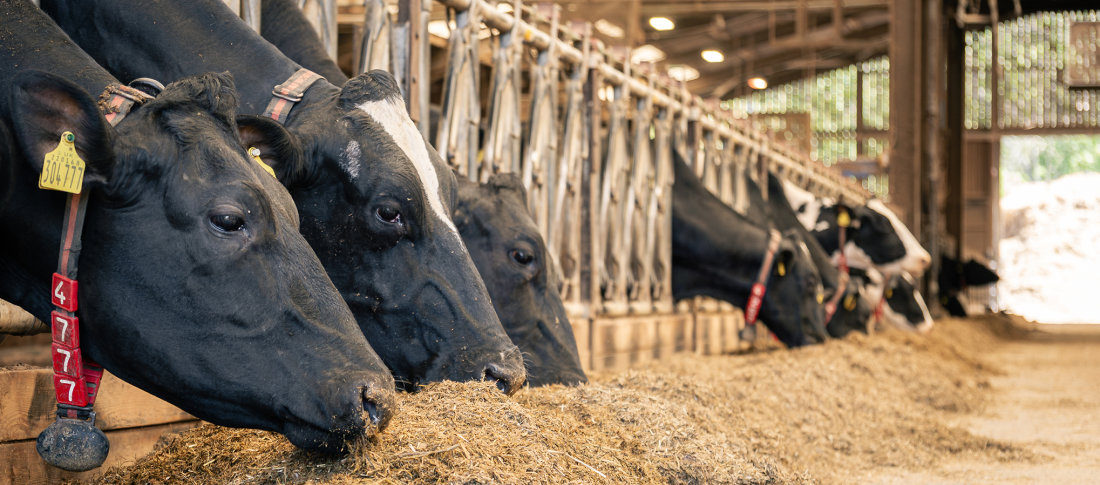
Balance maize silage rations with rumen-protected fats to maximise mil
Balance maize silage rations with rumen-protected fats to maximise milk production
Maize silage provides a valuable source of starch and energy in dairy diets, but balancing it with rumen-protected fat supplements can help producers increase ration energy density while protecting rumen function and targeting milk production
As dairy producers look to maximise milk production from homegrown maize silage, getting the balance of energy sources in the ration right is critical, says Dr Richard Kirkland, Global Technical Manager for Volac Wilmar Feed Ingredients.
“Maize is an excellent foundation for dairy rations, providing a valuable source of starch with a slower fermentation rate than cereals such as wheat and barley,” explains Dr Kirkland. “However, maize silage quality and starch availability can vary considerably depending on growing conditions, maturity at harvest and fermentation, so the rest of the ration needs to be formulated around what the silage is actually delivering.”
While increasing cereal inclusion can help fill an energy gap, Dr Kirkland cautions against relying too heavily on rapidly fermentable starch. As cereal starch is fermented in the rumen, acid production increases, potentially lowering rumen pH, reducing fibre digestion and increasing risk of acidosis and milk fat depression.
Digestible fibre sources, including soya hulls, citrus pulp and sugar beet pulp, can help balance starch supply and support rumen function and milk fat production. However, their lower energy concentration and greater bulk can eventually restrict the amount of energy cows can consume.
“You can only increase bulky feed ingredients so far before rumen fill begins restricting intake,” says Dr Kirkland. “This is where rumen-protected fat supplements complement maize particularly well. They provide concentrated energy at a relatively small inclusion rate without adding to the acid load in the rumen.”
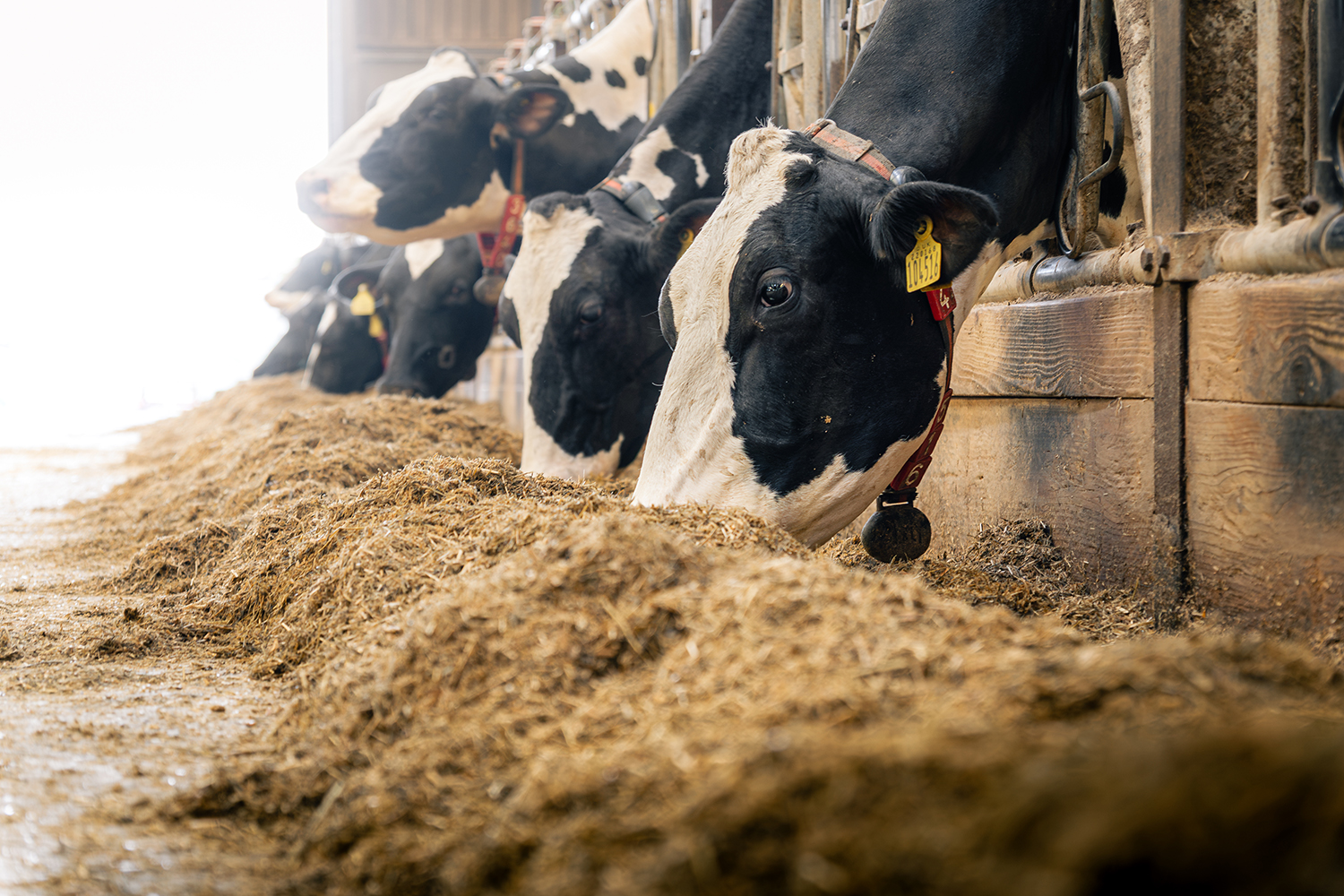
The science behind rumen protection
Increasing energy density while protecting the rumen
Fat is the most energy-dense nutrient available to dairy cows. Including 500 grams of Megalac rumen-protected fat supplement can increase diet energy density by around 0.5 megajoules per kilogram of dry matter, while providing more than 2.5-times the energy density of cereals.
Unlike starch, rumen-protected fats undergo minimal breakdown in the rumen, passing into the small intestine where the fatty acids are digested and absorbed. Rumen protection also prevents fat from coating feed particles and reducing with fibre digestion.
“High-yielding cows have a substantial energy requirement, and research suggests around 15% to 20% of total metabolisable energy (ME) should come from fat,” says Dr Kirkland. “For high-yielding cows, that can equate to around 6% fat in the total ration dry matter. Maize and other ration ingredients will supply some of that fat, but supplementation is often required to meet requirements consistently.”
Target fatty acids to cow performance
The role of rumen-protected fat supplements in maize-based diets extends beyond simply increasing energy density. Different fatty acids influence how nutrients are partitioned within the cow, allowing supplementation to be targeted according to stage of lactation and production goals.
During early lactation, oleic acid (C18:1) is particularly valuable. It improves total diet fat digestibility and directs nutrients toward body condition while supporting egg and embryo development for fertility benefits.
“During the first 120-days after calving, maintaining energy supply while protecting body condition and fertility should be a priority,” says Dr Kirkland. “Calium salt rumen-protected fat supplements supplying C18:1 can complement the energy coming from maize while supporting milk volume and reproductive performance.
Once cows move beyond peak lactation or are back in calf, supplements higher in palmitic acid (C16:0) may be more appropriate to direct more nutrients toward milk and milk fat production on farms where these are a key requirement.
“Getting more from maize isn’t about simply adding more starch to the ration,” concludes Dr Kirkland. “It is about balancing energy sources so cows can make the most of homegrown forage without compromising rumen function. Rumen-protected fat supplements provide the energy density and fatty acids to help achieve that balance while targeting milk production, milk solids, body condition and fertility.”

Dr Richard Kirkland, Global Technical Manager for Volac Wilmar Feed Ingredients.