Feeding ‘cool’ to keep dairy cows cool during hot weather
Feeding ‘cool’ to keep dairy cows cool during hot weather
The high energy density and efficiency of use of rumen-protected fat supplements make them ideal for mitigating heat stress
As warmer temperatures set in, dairy producers are increasingly challenged to protect herd health and maintain performance during periods of heat stress.
“Heat stress is a persistent issue affecting dairy herds worldwide during warmer months,” says Dr Richard Kirkland, ruminant nutritionist for Volac Wilmar Feed Ingredients. “It impacts animal welfare, milk production, feed efficiency, fertility and overall health. Identification, diet and good management are all essential for combating this issue.”
But just how hot is heat stress hot?
Although lactating cows are most comfortable between 5°C and 20°C, problems often begin once temperatures climb beyond 25°C – and the risk intensifies when humidity rises. Under humid conditions, the cow’s natural cooling mechanisms, such as panting and sweating, become less effective.
The combination of heat and humidity places cows outside of their thermoneutral zone and forces them to divert energy away from production in an attempt to keep cool. As a result, cows can begin to experience heat stress even at temperatures in the low 20s.
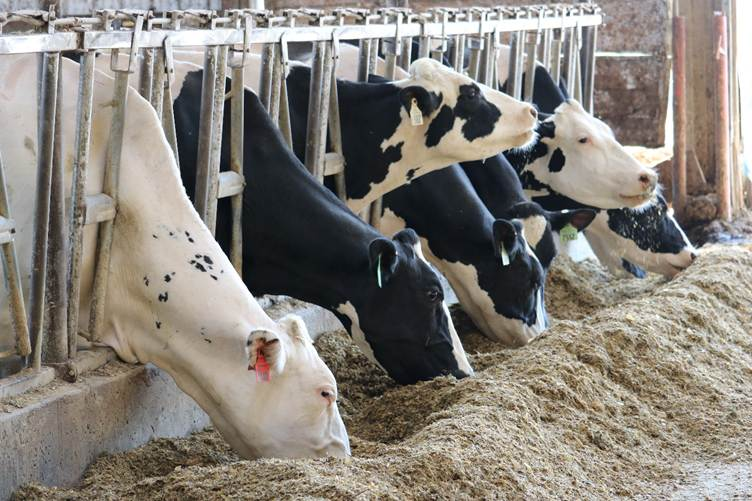 Heat stress reduces dry matter intake and increases maintenance energy demands. Supplementing diets with rumen-protected fats helps maintain energy supply and support milk production during hotter months.
When exposed to heat, several physiological processes are activated to try to shed excess warmth. Sweating, panting and an elevated respiratory rate all demand energy, which increases a cow’s maintenance requirements by as much as 25 percent. At the same time, dry matter intake declines sharply by 20 to 40 percent at high temperatures, pushing cows into negative energy balance.
This has severe consequences for productivity and health, says Dr Kirkland. Milk yields can drop by 25 to 35 percent during hot weather, while conception rates can fall to around 10 percent due to disrupted reproductive function.
“Heat stress also increases the risk of acidosis, as reduced rumination lowers saliva production, limiting the natural buffering needed to maintain rumen pH,” explains Dr Kirkland. “Additional knock-on effects may include compromised immune function, lower milk fat and protein, increased lameness from prolonged standing and even reduced calf birthweights.”
How rumen-protected fats help overcome heat stress
While heat stress management practices such as providing space, shade, ventilation, fans and sprinklers are essential, nutrition is also a critical component, says Dr Kirkland. According to him, feeding rumen-protected fats offers a direct way to increase dietary energy density without contributing to rumen acid load or generating excessive heat during digestion.
Rumen-protected fats are considered ‘cool’ ingredients because they generate far less metabolic heat than carbohydrates or forage during digestion. This supports energy supply when cows are already expending considerable effort to regulate body temperature.
“Dietary fat isn’t fermented in the rumen and is used with much greater efficiency than other nutrient sources. The metabolisable energy supplied by a product like Megalac allows high-energy diets to be formulated to support production even when total DMI is low,” says Dr Kirkland. “These supplements not only increase energy density but do so safely. They do not increase rumen acidity the way cereals can, which is particularly important when the rumen is already under pressure during heat stress conditions.”
Selecting fatty acids to support milk contracts
Aside from being an energy-dense feed ingredient, the fatty acid make-up of the fat will determine which aspect of performance can be most influenced, adds Dr Kirkland.
“For example, cows in early lactation and approaching their next breeding window would benefit from a traditional calcium salt supplement that offers a source of rumen-protected oleic acid (C18:1). This helps improve body condition, development of eggs and embryos, and total diet fat digestibility,” explains Dr Kirkland.
“On the other hand, the high-C16:0 (palmitic acid) supplements are effective at stimulating milk fat production and may be of interest under heat stress conditions where milk fat often declines. However, palmitic acid can cause partitioning of nutrients away from body fat, resulting in lower body condition, which may not be desirable,” he concludes. “By understanding the impact these key fatty acids have on specific areas of performance, farmers can better target overall herd productivity while also meeting cow energy demands during hotter months.”

Dr Richard Kirkland, Global Technical Manager for Volac Wilmar Feed Ingredients.